

What are printed circuit boards and why are they valuable?
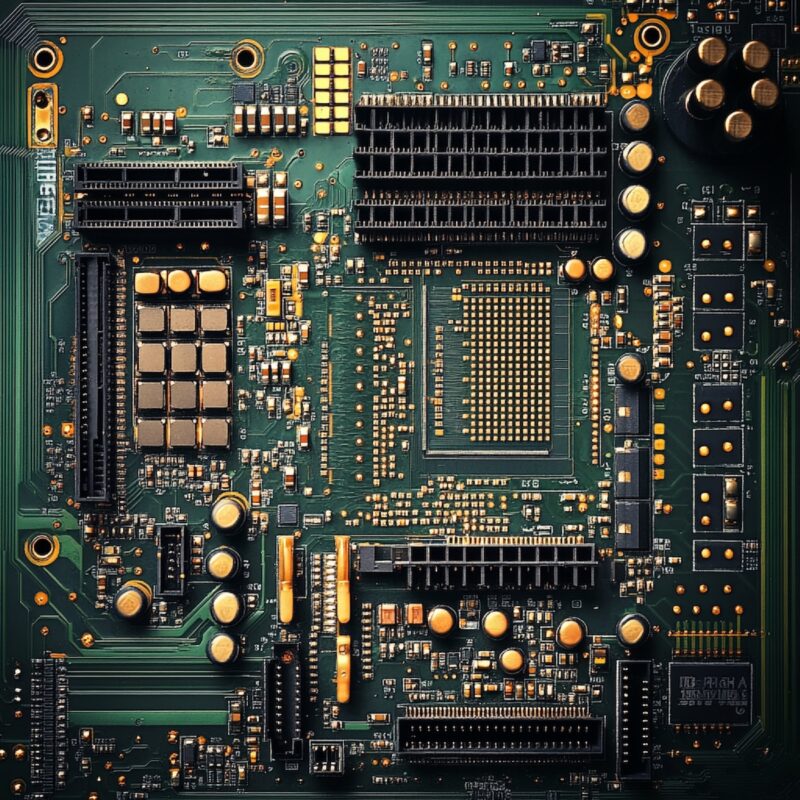
One of the most valuable components in electronic waste is printed circuit boards (PCB). However, not everyone knows what they are or why they are valuable. Understanding their composition and function is important for determining the true value of electronic waste.
What are printed circuit boards and why are they valuable?
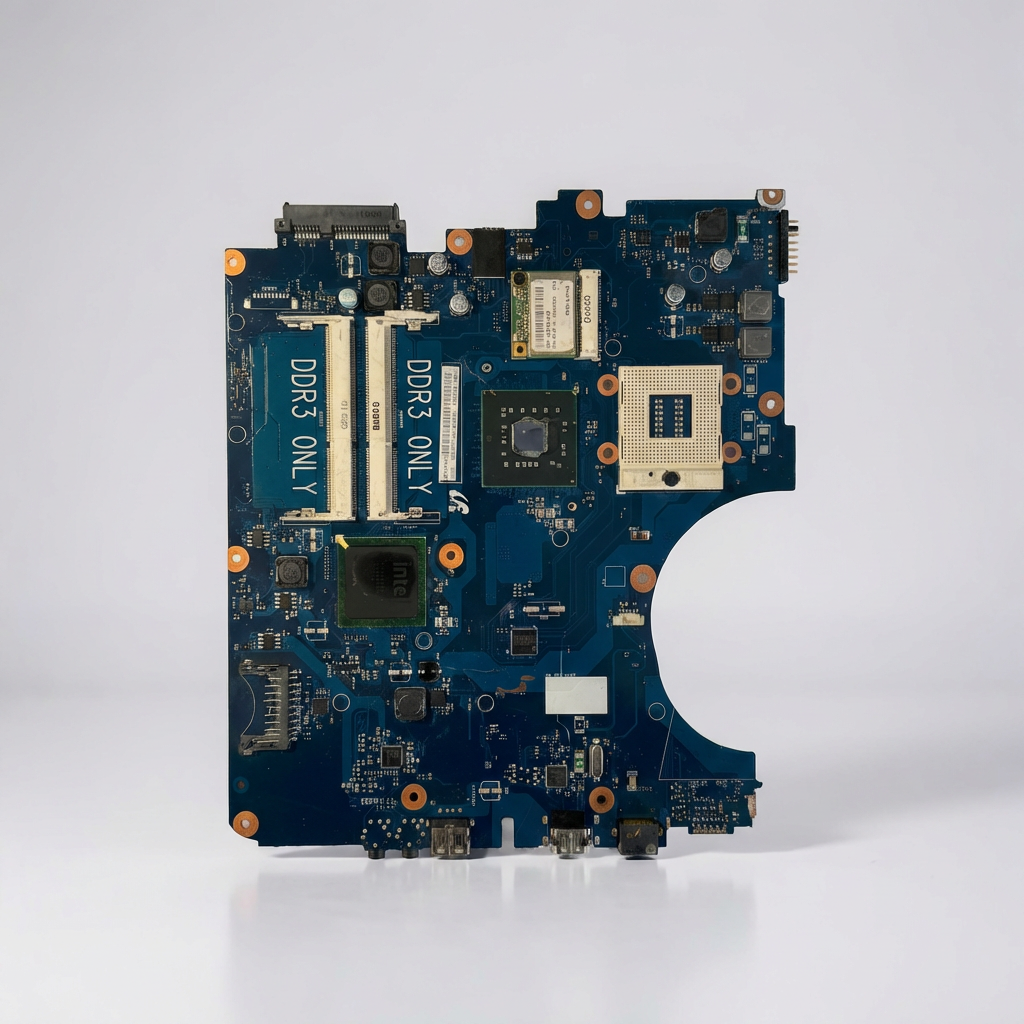
A printed circuit board (PCB) is a core component of electronics, on which various electronic elements are mounted and connected. It enables the transmission of electrical signals between components and allows the device to function as a complete system. PCBs are found in almost all electronic devices — from computers and servers to household appliances and automotive electronics.
Although they may look like simple green or brown boards at first glance, their internal structure is complex and consists of multiple layers. These layers contain conductive metals, mainly copper, as well as various alloys and precious metals that ensure reliable performance.
What are printed circuit boards made of?
Printed circuit boards consist of several main elements:
- copper, used to transmit electrical signals
- precious metals such as gold, silver or palladium
- plastics and resins (substrate)
- various electronic components
It is the combination of these materials that makes printed circuit boards not just waste, but also a valuable source of raw materials.
The value of printed circuit boards lies in their composition. The metals they contain, including precious metals, are used for their conductivity and resistance to corrosion. Even small amounts of these metals can have significant value, which makes PCBs an important part of the recycling chain.
Are all printed circuit boards the same?
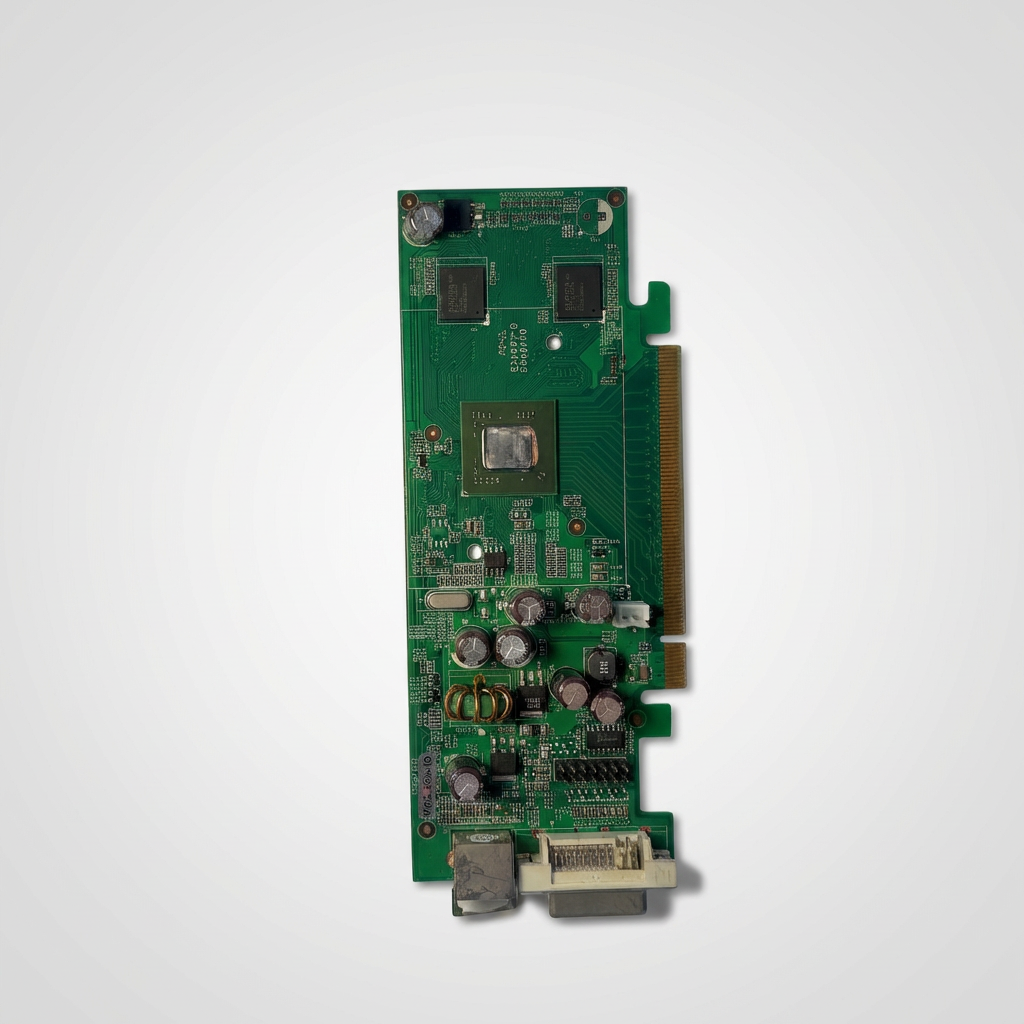
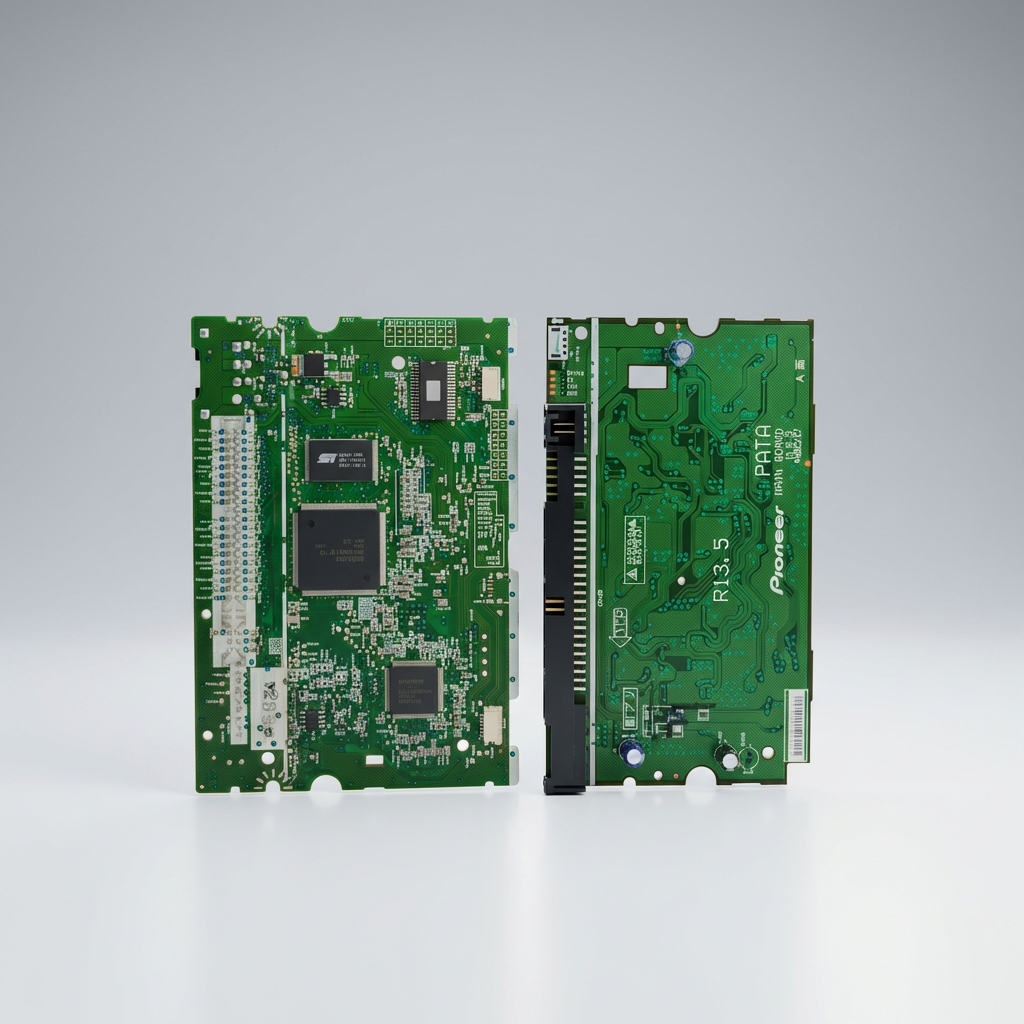
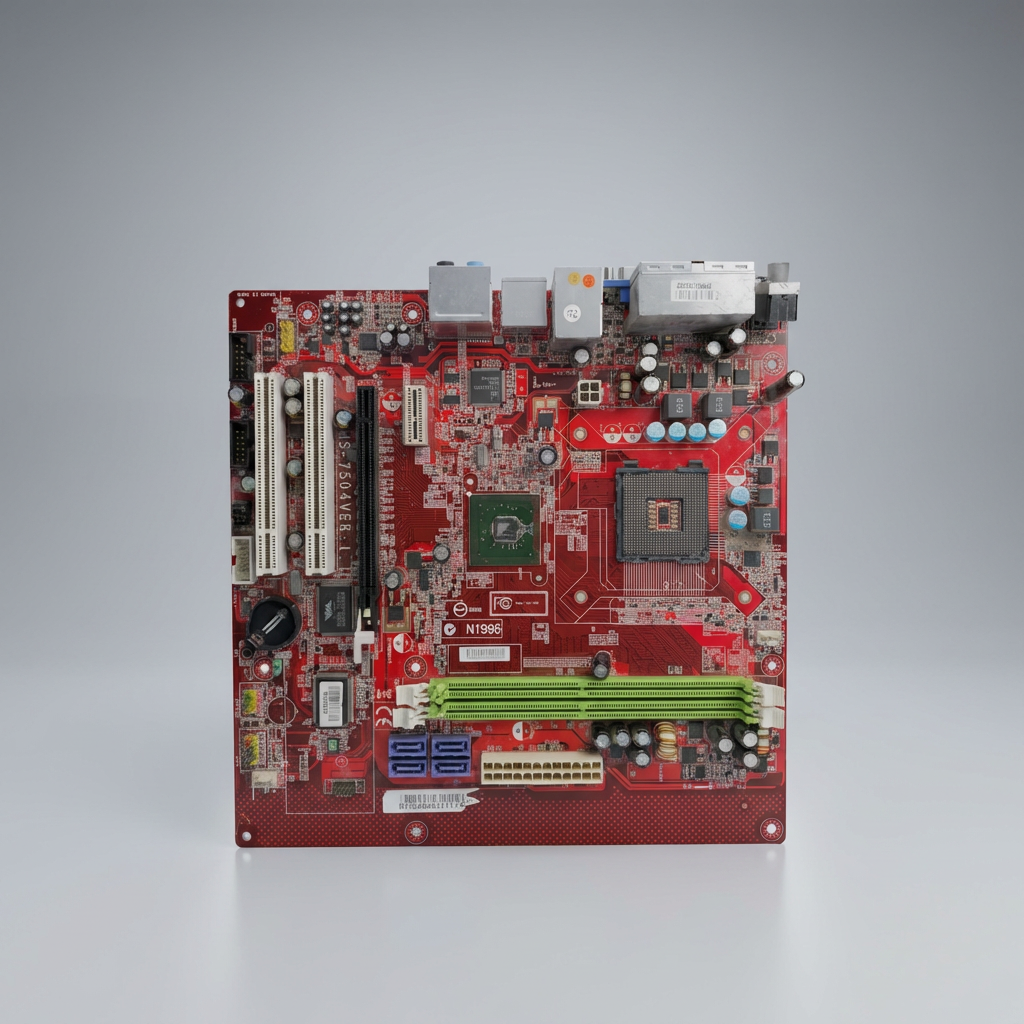
Not all printed circuit boards have the same value. It can vary significantly depending on type, composition, and use. For example, boards used in servers or telecommunications equipment usually have higher value, while boards from household electronics are typically less valuable. Boards used in industrial systems may have specific compositions, so each case is evaluated individually.
How is the value of printed circuit boards determined?
When evaluating printed circuit boards, the most important factor is not their appearance but their internal composition. The price is determined not only by the type of material, but also by our team’s practical experience gained from working with different types of electronic waste.
The composition of PCBs can vary significantly depending on their type, production period, and components used. Their value is influenced by factors such as board design, chips, connectors, and the overall metal content. For example, older boards often contain more precious metals and may be more valuable than newer ones.
For this reason, each batch is evaluated individually, taking into account its characteristics and current market conditions. This approach ensures an accurate and fair valuation, offering customers the true value of their materials.